

Moodboarding

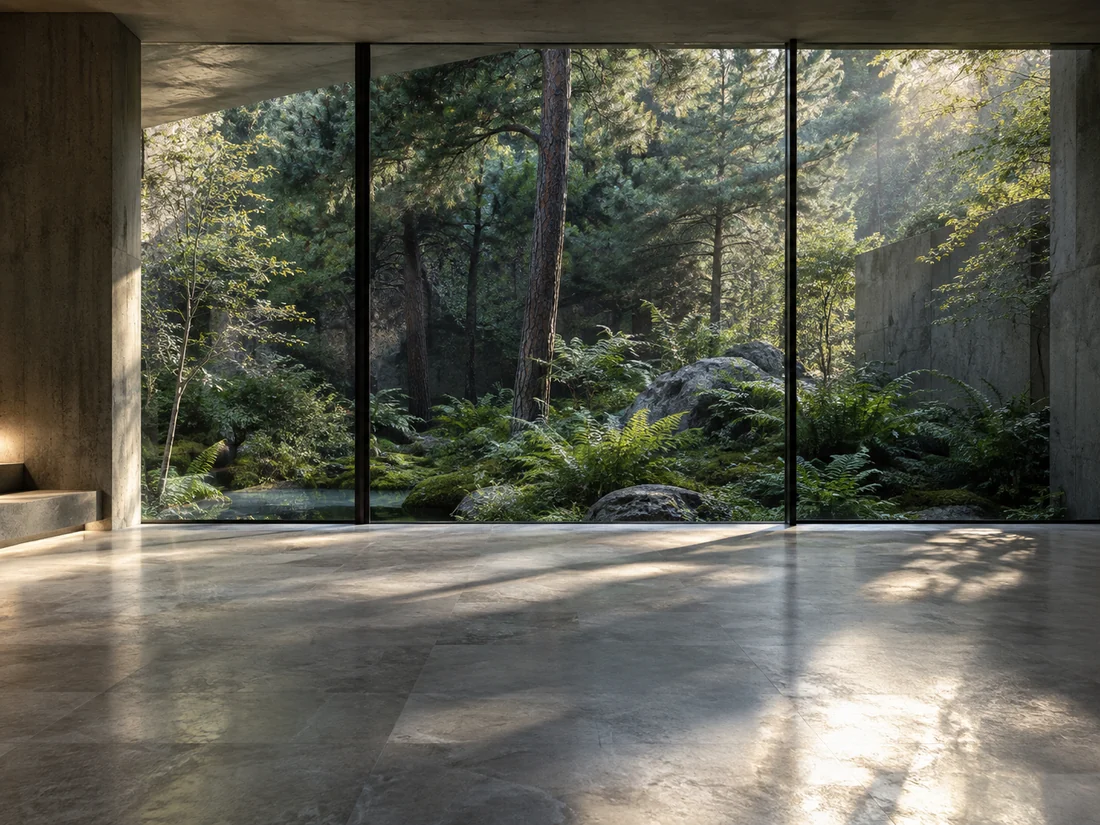
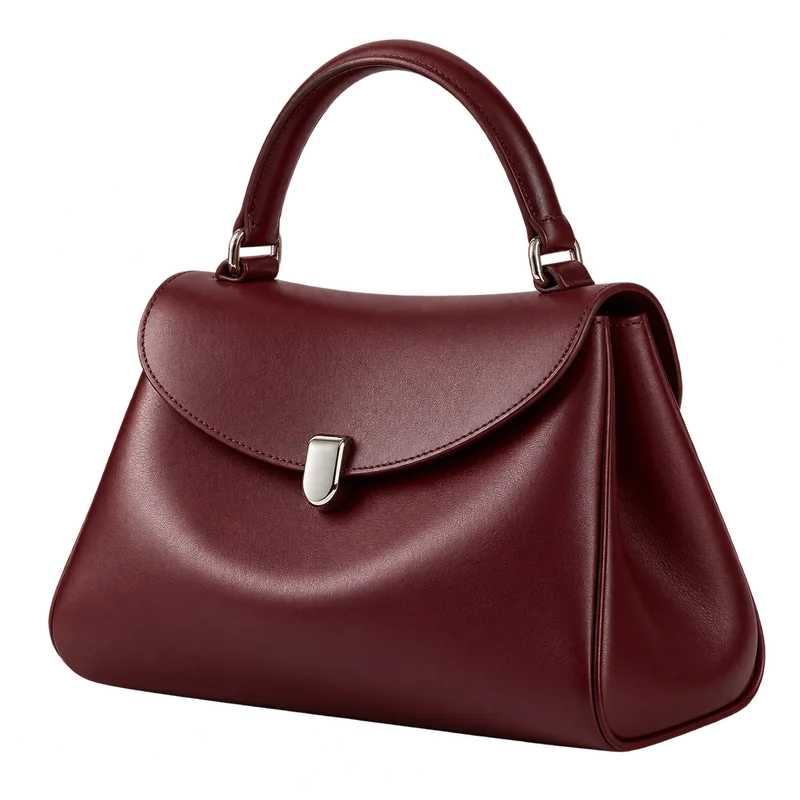
Live image composition, on your set.
Explore the experience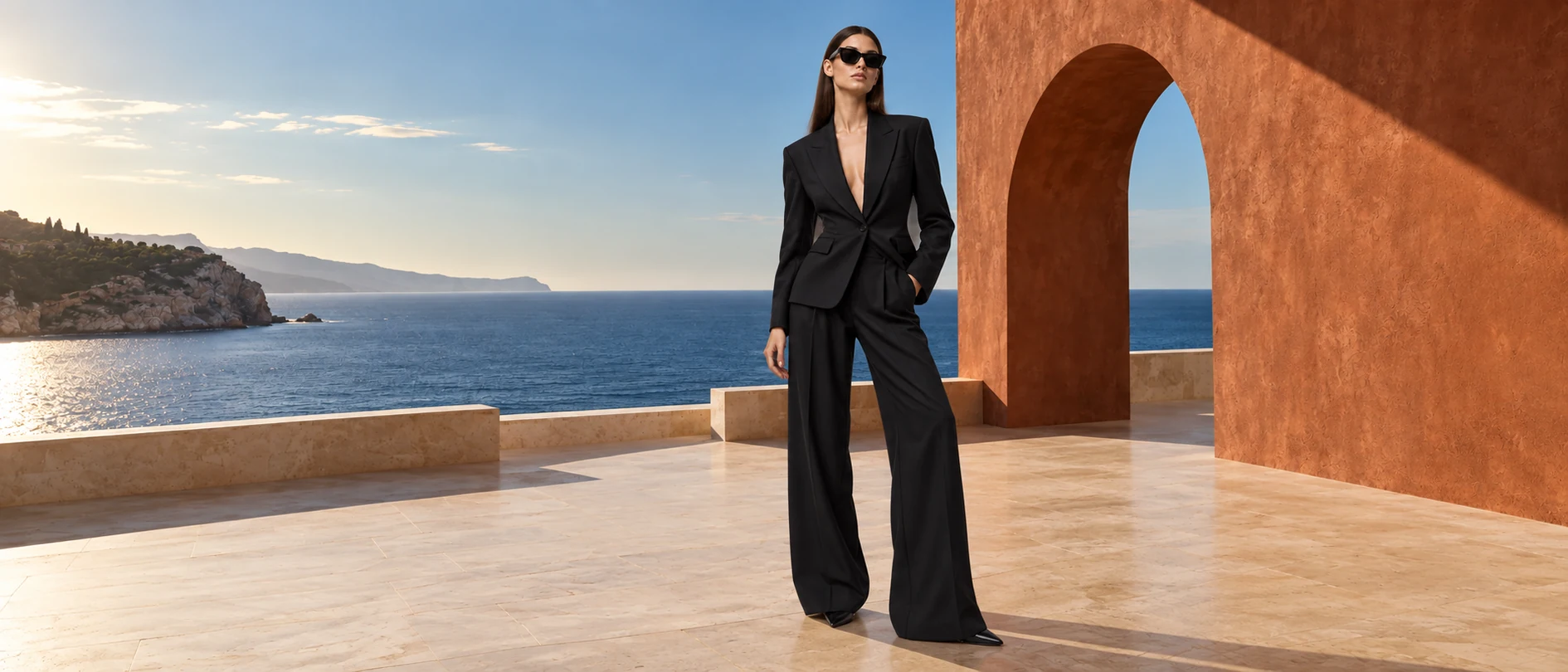
Start with your photograph, including its studio background. NADKA SET handles the extraction.



Decision image · human validation required
Material, light, grain.
Weather, travel, permits, the cost of a mistake.
On the same screen, at the same moment.
No wasted production costs.
And on what creates value.
images produced on site in 2 days
per render
A major eyewear brand. A studio in the Paris region. September 2026.
Produced in under a minute, as ideas come or in the wake of the moodboard, from a prompt or a NADKA preset.
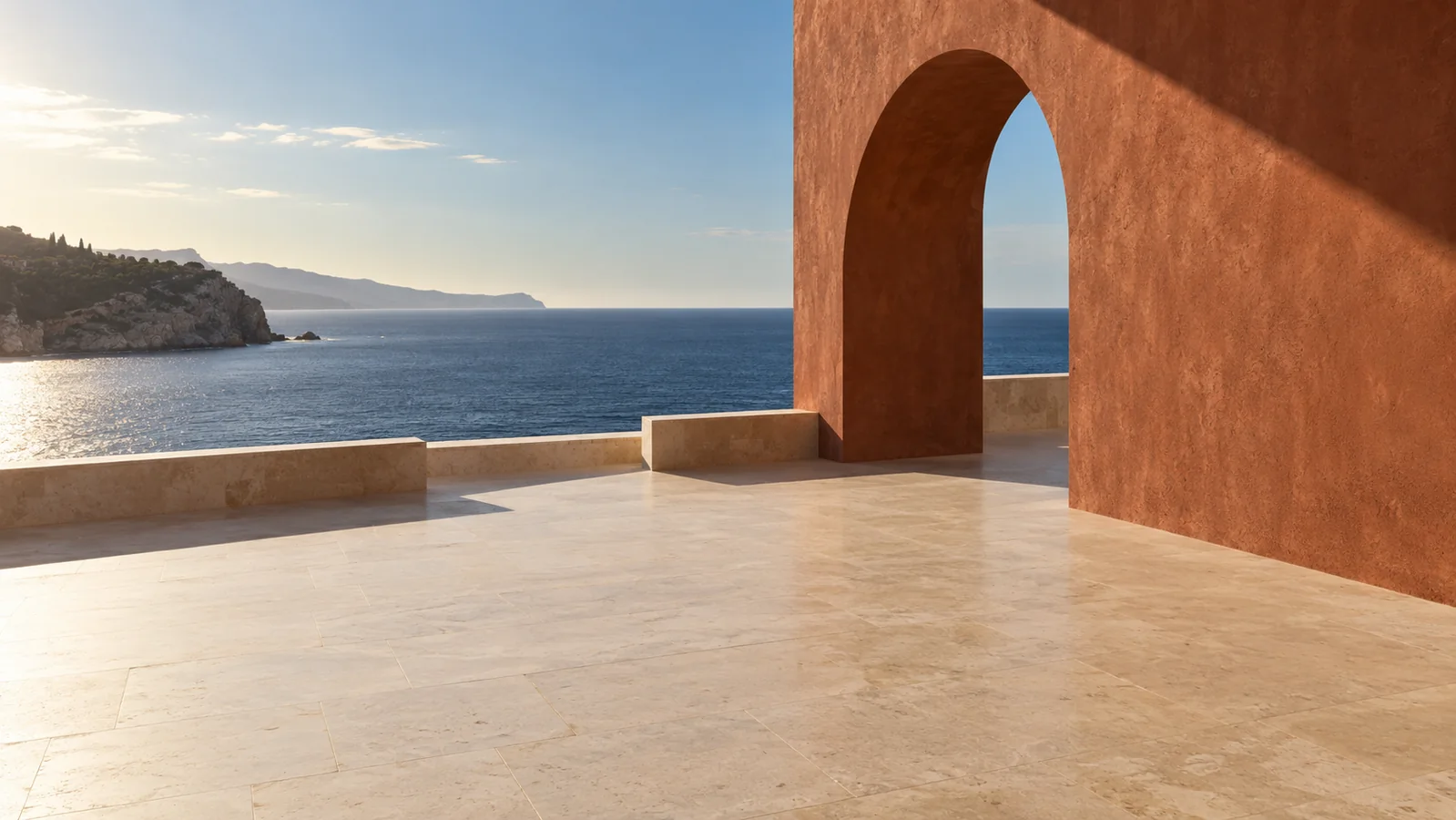
Open limestone terrace, terracotta arch, distant sea. Soft afternoon light. Space for a full-length fashion portrait.
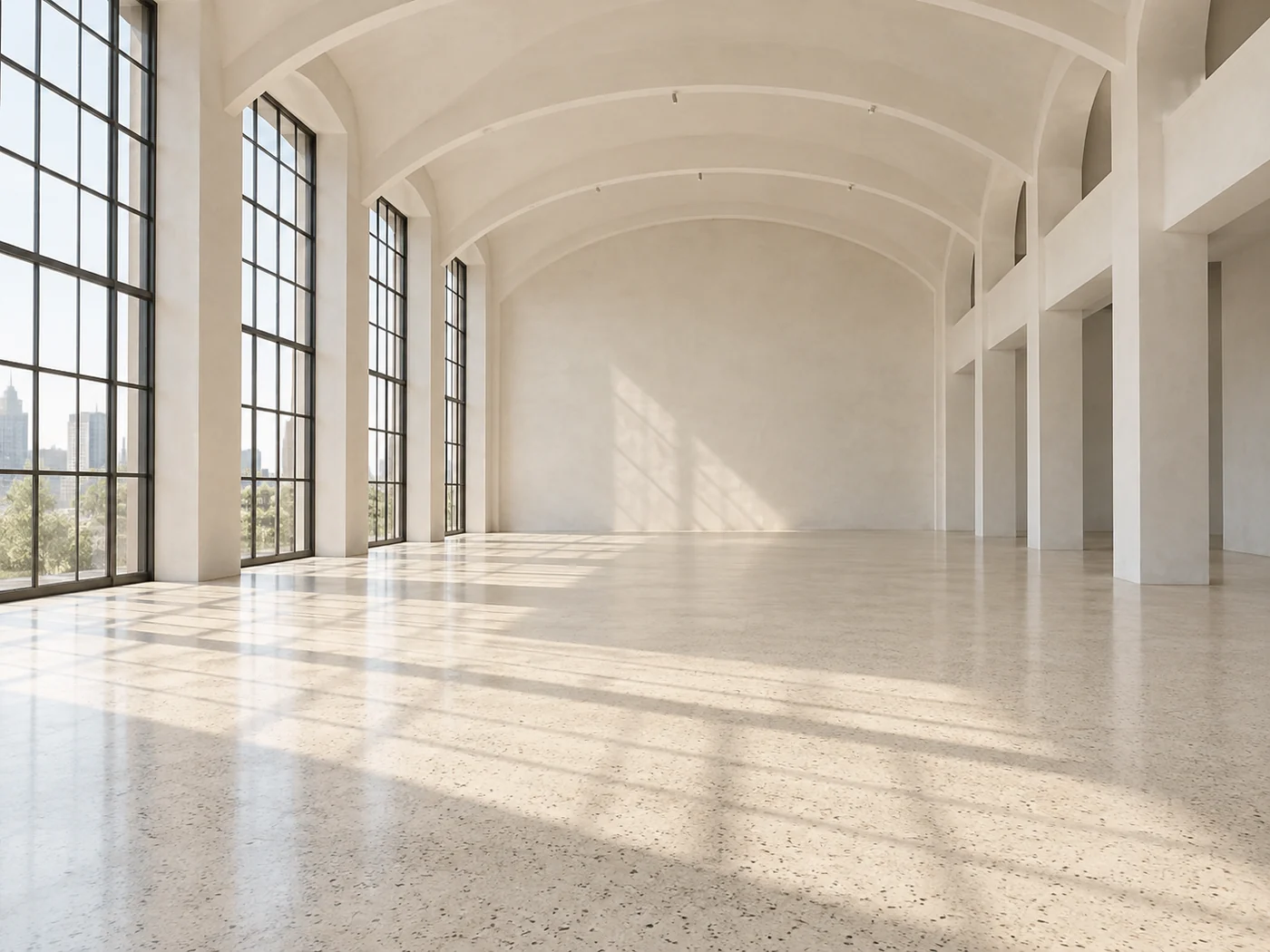
Your images, imported and turned into an environment: house archives, commissioned photography, licensed stock.
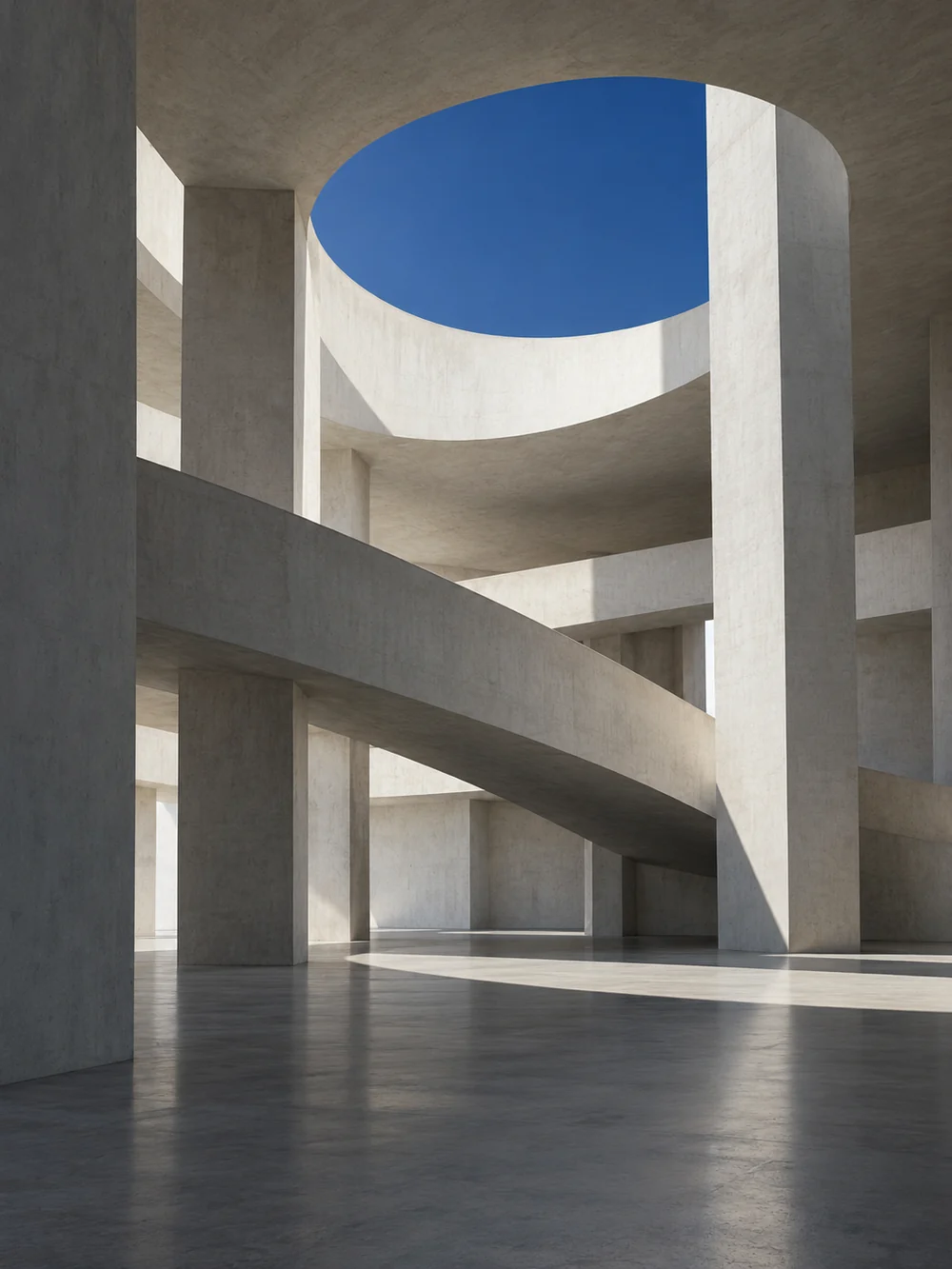
Designed by leading architects, designers and artists. Original, unreleased and often exclusive aesthetics, with documented narrative depth.
Illustrative study, outside the catalogue.Leonardo da Vinci
Ange-Jacques Gabriel
Louis Bonnier
Richard Neutra
Wilmotte & Associés
Levistre
One source active at a time — every image traceable to its origin.
Moodboards, mock-ups, tests and previsualisation for your teams.
Images for magazine features and editorial publications.
Brand campaigns: social media, digital, print, posters and in-store displays.
Any other use on request, including exclusivity on a catalogue work.
Your quotation defines the operator service and intended uses. Catalogue works require a separate licence, agreed before the shoot.
Your source images remain yours. An Article 28 processing agreement and DPA are signed at the start. Supplier terms on training and retention are documented at quotation, using the most restrictive settings available.
We supply declaration information for every deliverable. The contract assigns publication responsibilities for applicable AI transparency requirements.
Invisible watermarking designed to withstand everyday image transformations. Its scope and limits are documented for the intended use.
Online monitoring for unauthorised reuse, documented evidence of origin, and embedded credit, licence, TDM reservation and indexing metadata. Some publishing platforms may remove metadata.
Bespoke environment research for your campaigns
Scoping, follow-up and team training
Integration and configuration on request
Process and intellectual property audit
Your photo can retain its studio background: NADKA SET extracts the subject. The subject comes from the on-set photograph. The face is preserved. Depending on the chosen level, light, reflections and, at the most flexible setting, pose may be adjusted. Pixel-level fidelity does not apply to that final level. The scope is agreed with you.
The operator prepares the workflow with your digitech. A lightweight JPEG from Capture One is enough to compose. Your RAW files and session remain in place. Capture information and publication layouts are prepared with you before the shoot.
The first client shoot produced 200+ images on site in two days, with under 60 seconds per render. Timing depends on the image, the chosen workflow and connectivity.
An operator works alongside your creative team and digitech. Roles and preparation are agreed when scoping the assignment.
The workflow can start from a model, a model with accessories or an object. The intended composition and fidelity requirements are reviewed before the shoot.
Three sources: AI-generated environments, your own environments, and authored environments from the NADKA catalogue. One source is active at a time, with its origin documented.
Yes. A prompt or a NADKA preset can translate your visual direction into an environment. Each produced image still requires human review.
Yes: house archives, commissioned photography and licensed stock can become environments. You provide the usage permissions for those sources.
A documented work by an architect, designer or artist gives the campaign a cultural narrative. Catalogue availability, rights and any exclusivity are specified for the selected work.
10 to 40% of revenue is returned to creators and cultural institutions, supporting heritage conservation and contemporary creation.
Yes. Bring your poster, social, print or retail display layout. The team can review the composition within that layout while still on set.
NADKA SET can work with any display ratio. Your layouts, safe areas and typography are prepared with the team before the shoot.
Every image requires human approval before publication. NADKA SET supports creative decisions on set. The render, its details and its rights must be checked for the intended use.
The intended channels, output specifications, validation process and licence are agreed in the quotation and project scope.
Three usage levels: internal use, editorial (magazines and editorial publications), and advertising. The agreed scope is stated in the quotation. Catalogue works require a separate licence. Every image requires human approval before publication.
The operator service includes the usage agreed in your quotation. Catalogue works, and renders incorporating them, require a separate licence for the project and its duration.
Exclusivity on a catalogue work and other uses can be discussed on request. The quotation states the agreed scope and availability.
Documented sources, human validation on every image and a clearance audit ahead of sensitive campaigns help assess the intended use.
The processing setup and supplier terms on training and retention are documented at quotation. An Article 28 agreement and DPA are signed at the start. Your source images remain yours and the most restrictive available settings are selected.
We supply declaration information for each deliverable. The contract assigns publication responsibilities according to the applicable transparency requirements.
Invisible watermarking, embedded metadata and online monitoring support origin tracking. Their scope and limitations are documented. Metadata may be removed by publishing platforms.
Yes. Scoping, follow-up, team training, integration and configuration can be included in the assignment, alongside process and intellectual property audits.